
Deep Dive into Dental Health: Why Teeth Cleaning Is Crucial for a Healthy Life
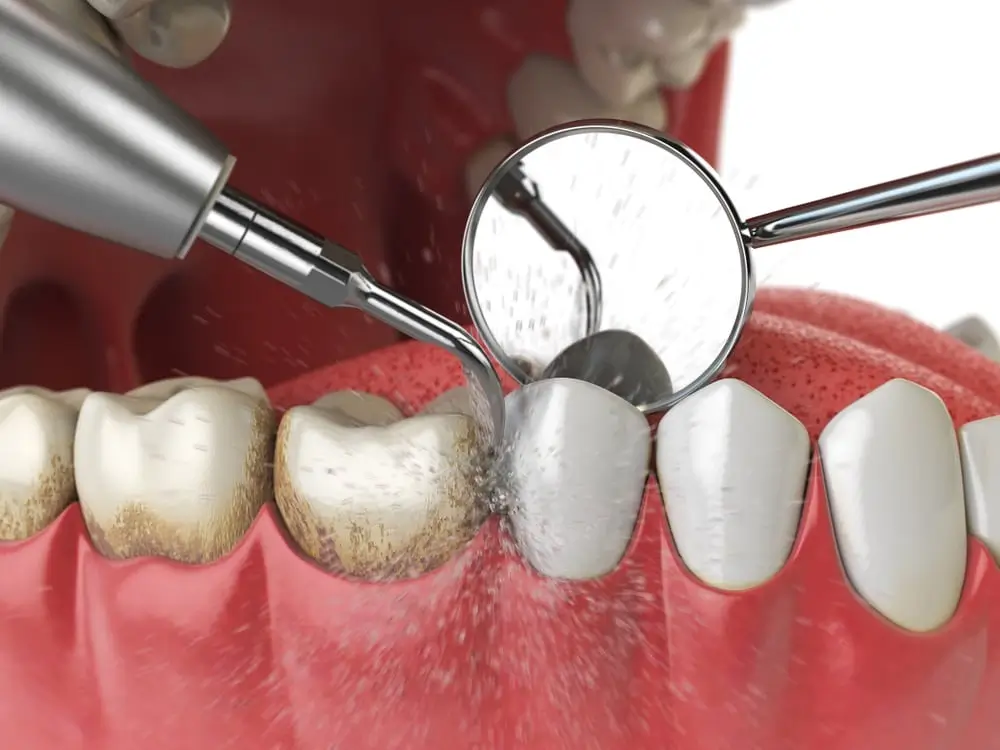
Maintaining a healthy smile is not just about appearances—it’s a vital part of overall wellness. Regular professional teeth cleaning, combined with proper at-home oral hygiene, significantly reduces the risk of various dental and systemic diseases. In this article, we explore everything you need to know about professional teeth cleaning, its importance, benefits, techniques, and how it contributes to lifelong health.
The Foundations of Teeth Cleaning
Professional Teeth Cleaning: The Basics
Professional teeth cleaning is a preventive dental procedure aimed at removing plaque, tartar, and surface stains. Typically performed during bi-annual dental check-ups, it plays a crucial role in maintaining oral health and early detection of potential dental issues.
The Purpose of Teeth Cleaning
Teeth cleaning helps prevent gum disease and tooth decay. It removes hardened plaque known as tartar, improves breath freshness, and contributes to a more aesthetic smile. Regular cleanings reduce inflammation and support both oral and overall systemic health.
Understanding Plaque and Its Risks
Plaque: The Hidden Enemy
Plaque is a sticky, colorless biofilm of bacteria that forms on the teeth and gumline. If not removed through daily brushing and flossing, it hardens into tartar within 24 to 72 hours, which cannot be removed at home.
Consequences of Plaque Buildup
When left untreated, plaque can lead to cavities, gingivitis (early gum disease), periodontitis (advanced gum disease), and chronic bad breath (halitosis). These conditions may eventually result in tooth and bone loss.
Inside a Professional Teeth Cleaning Appointment
Step 1: Dental Examination
A dental hygienist begins by examining your mouth using a small mirror to detect signs of inflammation, decay, lesions, or damaged restorations.
Step 2: Scaling
Scaling removes plaque and tartar deposits from teeth, particularly along the gumline and between teeth. Tools used may include hand scalers or ultrasonic devices that vibrate and spray water to dislodge debris.
Step 3: Polishing
After scaling, a high-speed brush and gritty polishing paste are used to smooth the enamel, remove surface stains, and reduce future plaque buildup.
Step 4: Flossing
Professional flossing ensures debris is removed between teeth. Bleeding during this process may signal gum inflammation or the early stages of gingivitis.
Step 5: Fluoride Treatment
A fluoride varnish or gel is often applied at the end of the cleaning to strengthen enamel, protect against cavities, and increase tooth resistance.
Types of Teeth Cleaning Procedures
Prophylaxis
This is a routine cleaning for individuals with healthy gums, aimed at maintaining oral hygiene. It’s generally recommended every six months.
Scaling and Root Planing
Designed for patients with gum disease, this deep cleaning targets areas below the gumline to reduce periodontal pockets and bacterial buildup. It is often completed over multiple visits.
Periodontal Maintenance
Following gum disease treatment, ongoing periodontal maintenance every three to four months helps prevent recurrence and manage chronic conditions.
Gross Debridement
This is used for patients with excessive tartar buildup, allowing for initial plaque removal so a comprehensive oral exam can be completed.
Oral Health and Its Link to General Health
Poor oral hygiene has been linked to serious systemic health conditions, including cardiovascular disease, diabetes, respiratory infections, and pregnancy complications. Inflammation caused by gum disease may contribute to blocked arteries, affect blood sugar levels, or increase the risk of premature birth. Maintaining oral health can play a preventive role in your overall wellbeing.
Benefits of Professional Teeth Cleaning
Prevents Tooth Loss
By reducing gum inflammation and bacterial buildup, teeth cleanings help prevent gum disease, a major cause of tooth loss in adults.
Detects Dental Issues Early
Teeth cleanings often include examinations that can detect cavities, worn restorations, and even signs of oral cancer early, allowing for less invasive treatment.
Enhances Smile Appearance
Surface stains from coffee, tea, or tobacco can be removed during polishing, improving your smile without the need for bleaching.
Boosts Self-Confidence
Clean, healthy teeth contribute to a positive self-image and greater confidence in social and professional situations.
Teeth Cleaning for Children
When to Start
The first dental visit should occur by age one, and the first professional cleaning is usually recommended around age two or three.
Pediatric Benefits
Regular cleanings in children help prevent early tooth decay, support speech development, and build positive dental habits from a young age.
Teeth Cleaning in Special Populations
Seniors
Older adults often face gum recession, sensitivity, and dry mouth. Regular cleanings help manage these issues and preserve natural teeth.
Smokers
Tobacco users are at higher risk of tartar buildup, gum disease, and oral cancer. Frequent dental cleanings are essential for early detection and prevention.
Orthodontic Patients
Braces and aligners trap plaque and food particles. Regular cleanings prevent issues like gum inflammation and decalcified white spots.
Maintaining Oral Hygiene Between Cleanings
Brushing Best Practices
Use fluoride toothpaste and brush twice daily for two minutes. Electric toothbrushes are often more effective at thorough cleaning.
Flossing Daily
Whether you use traditional floss, floss picks, or a water flosser, cleaning between teeth and just under the gumline is essential for gum health.
Mouthwash and Rinses
Antibacterial mouthwash helps control plaque, and fluoride rinses reduce cavity risk. If you suffer from dry mouth, avoid alcohol-based rinses.
Diet and Hydration
Limit sugary and acidic foods. Drink water throughout the day and consider sugar-free gum to stimulate saliva, which protects against decay.
Cost of Teeth Cleaning: What to Expect
Dental cleaning costs vary based on the type of procedure, clinic location, and insurance coverage.
Standard cleaning: $75 to $200
Deep cleaning (scaling and root planing): $150 to $350 per quadrant
Pediatric cleaning: $70 to $120
Most insurance plans cover two cleanings per year.
Common Misconceptions About Teeth Cleaning
“Teeth cleanings are painful”: Most cleanings are pain-free. Any discomfort may signal underlying gum problems.
“You only need a cleaning if something hurts”: Pain is often a late sign of dental disease. Preventive cleanings catch problems early.
“You can clean your teeth just as well at home”: Home care is essential, but it cannot remove hardened tartar. Professional tools are necessary.
Tips for Making the Most of Your Dental Cleanings
Brush your teeth before your appointment and arrive early. Bring a list of medications and inform the dentist of any medical conditions. Schedule your next cleaning before you leave to stay on track with your preventive care.
Conclusion: Prioritize Your Smile with Regular Teeth Cleaning
Teeth cleaning is one of the most powerful tools in preventive dentistry. Beyond just maintaining a sparkling smile, it protects you from cavities, gum disease, bad breath, and even serious systemic health issues. Whether you’re an adult, senior, child, or someone with specific oral health needs, regular professional cleanings are non-negotiable.
By combining regular dental visits with a strong at-home care routine, you’re investing in a healthier, more confident future. Don’t wait until problems arise—make your next teeth cleaning appointment today and stay proactive in your oral health journey.


