
Advanced Periodontics: Modern Solutions for Gum Health and Tooth Preservation
Introduction: The Critical Role of Periodontics in Dental Health
While many people focus primarily on teeth, gum health is just as crucial—if not more so—for maintaining a healthy, functional mouth. The field of periodontics is dedicated to diagnosing, preventing, and treating diseases that affect the gums and supporting structures of the teeth.
Advanced periodontics goes beyond basic care. It integrates sophisticated diagnostic tools, minimally invasive surgical procedures, regenerative treatments, and technology-driven planning to treat complex gum issues. This article explores the evolving landscape of advanced periodontics, highlighting the procedures, technologies, and benefits that modern practices offer to patients facing periodontal challenges.
Understanding Periodontal Disease
What Is Periodontal Disease?
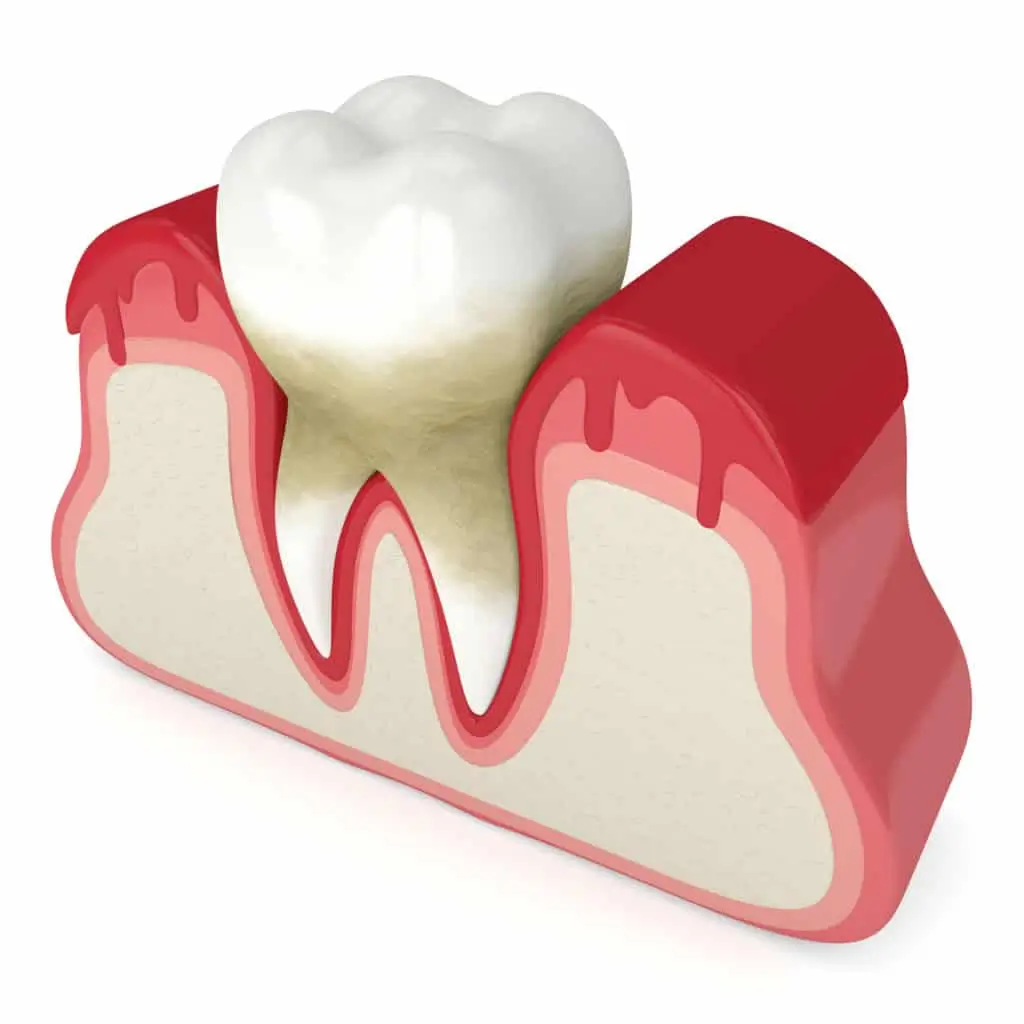
Periodontal disease, also known as gum disease, is an inflammatory condition that affects the gums and bone surrounding the teeth. It begins with gingivitis (mild inflammation) and can progress to periodontitis, a more severe stage that causes irreversible damage.
Causes and Risk Factors
- Poor oral hygiene
- Smoking or tobacco use
- Diabetes and systemic health issues
- Genetic predisposition
- Stress and poor nutrition
- Certain medications
Signs and Symptoms
- Bleeding gums
- Swollen or tender gums
- Gum recession
- Persistent bad breath
- Loose teeth or shifting bite
- Pus between teeth and gums
Early detection and intervention are key to preventing tooth loss and systemic complications.
What Is Advanced Periodontics?
A Specialized Branch of Dentistry
Advanced periodontics involves the use of state-of-the-art techniques and technologies to address both common and complex gum conditions. This includes surgical and non-surgical treatments, regenerative therapies, and aesthetic procedures to restore and maintain oral health.
Key Areas of Advanced Periodontal Care
- Surgical periodontics
- Regenerative therapy
- Gum grafting and tissue engineering
- Bone grafting and sinus lifts
- Dental implant placement
- Laser-assisted periodontal therapy
- Periodontal plastic surgery
Diagnostic Tools in Advanced Periodontics
Comprehensive Periodontal Exams
A full periodontal exam includes:
- Probing pocket depths around each tooth
- Measuring attachment levels
- Assessing gum recession
- Checking for mobility and furcation involvement
- Evaluating bite alignment
3D Imaging and Cone Beam CT Scans
CBCT imaging allows periodontists to assess:
- Bone loss in three dimensions
- The position of nerves and blood vessels
- Planning for regenerative or implant procedures with extreme accuracy
Digital Periodontal Charting
Modern practices use software to map gum health in real time, which improves communication and enhances treatment tracking.
Non-Surgical Treatments in Advanced Periodontics
Scaling and Root Planing (SRP)
This is the first-line treatment for gum disease. It involves:
- Removing plaque and calculus below the gumline
- Smoothing root surfaces to encourage gum reattachment
- Often combined with antimicrobial agents or laser therapy
Localized Antibiotic Therapy
Antibiotic gels, powders, or microspheres may be applied directly to periodontal pockets to eliminate persistent bacterial colonies.
Laser Periodontal Therapy (LANAP)
Laser-Assisted New Attachment Procedure (LANAP) is a minimally invasive alternative to surgery:
- Uses a specific dental laser to target diseased tissue
- Promotes regeneration of bone and attachment fibers
- Reduces bleeding and post-treatment discomfort
Surgical Treatments for Advanced Gum Disease
Flap Surgery (Osseous Surgery)
Used when deep pockets persist after non-surgical therapy:
- The gum is lifted to clean the root surfaces and reduce pocket depths
- Reshapes the bone if needed
- Gums are sutured to promote reattachment
Guided Tissue Regeneration (GTR)
GTR involves placing a biocompatible membrane between the gum and bone:
- Prevents soft tissue from entering the area, allowing bone to regenerate
- Often combined with bone grafts or growth factors
Bone Grafting and Sinus Lifts
These procedures are used to rebuild bone that has been lost due to periodontal disease or trauma, often as preparation for dental implants.
Aesthetic and Functional Periodontal Procedures
Gum Grafting
Gum grafts are used to treat receding gums and protect exposed roots. Types include:
- Connective tissue grafts (from palate)
- Free gingival grafts
- Pedicle grafts (from adjacent tissue)
These procedures not only restore gum line aesthetics but also reduce sensitivity and protect against further recession.
Crown Lengthening
This surgical procedure removes excess gum tissue to expose more of the tooth:
- Improves aesthetics for “gummy” smiles
- Helps with placing crowns or fillings on teeth with limited structure
Periodontal Plastic Surgery
A combination of soft tissue procedures to correct deformities caused by gum disease or developmental anomalies.
Dental Implants and Periodontics
The Periodontist’s Role in Implant Placement
Periodontists are uniquely qualified to handle:
- Site preparation through bone and soft tissue grafting
- Implant planning with 3D imaging
- Managing peri-implantitis (infection around implants)
Implant-Supported Restorations
Dental implants provide a permanent, functional, and natural-looking solution for missing teeth. Advanced periodontics ensures proper integration and long-term success.
Regenerative Techniques and Future Trends
Platelet-Rich Fibrin (PRF) and Platelet-Rich Plasma (PRP)
These blood-derived products promote:
- Faster healing
- Bone and tissue regeneration
- Reduced postoperative discomfort
Biologic Agents and Growth Factors
Medications like Enamel Matrix Derivative (EMD) or Bone Morphogenetic Proteins (BMP) stimulate tissue regeneration and improve surgical outcomes.
Stem Cell Research and Tissue Engineering
Emerging technologies may soon allow periodontists to regrow entire sections of bone and soft tissue using a patient’s own cells.
The Connection Between Periodontal Health and Systemic Disease
Gum Disease and Overall Health
Research links periodontal disease to:
- Cardiovascular disease
- Diabetes
- Respiratory infections
- Pregnancy complications (preterm birth, low birth weight)
- Alzheimer’s disease
Periodontal therapy has been shown to reduce systemic inflammation, improving overall health and reducing risks for chronic conditions.
Preventive Strategies in Advanced Periodontal Care
Personalized Home Care Plans
Patients receive tailored recommendations on:
- Brushing and flossing techniques
- Water flossers and interdental brushes
- Therapeutic mouth rinses
- Electric toothbrushes with pressure sensors
Maintenance and Follow-Up
After periodontal therapy, patients enter a maintenance phase involving:
- Cleanings every 3–4 months
- Monitoring of pocket depths and gum health
- Early detection of any disease recurrence
Who Should See a Periodontist?
Indications for Referral
- Persistent bleeding or swollen gums
- Loose teeth or shifting bite
- Gum recession or sensitivity
- Bone loss on X-rays
- History of advanced periodontal disease
- Preparation for implants or bone grafts
Benefits of Specialized Periodontal Care
- Better long-term oral health
- Reduced risk of tooth loss
- Improved smile aesthetics
- Enhanced comfort and function
Choosing an Advanced Periodontics Provider
What to Look For
- Board-certified periodontist
- Experience with advanced surgical and non-surgical techniques
- Use of digital imaging and regenerative materials
- Strong emphasis on patient education and comfort
Questions to Ask
- Do you offer laser periodontal therapy?
- Can you show before-and-after images of similar cases?
- What technologies do you use for diagnosis and treatment planning?
- How do you manage complex or recurring periodontal cases?
Conclusion: Invest in the Health of Your Gums
Advanced periodontics is about more than saving teeth—it’s about preserving your overall health, confidence, and quality of life. With modern techniques like laser therapy, 3D imaging, and biologic regeneration, periodontists today can restore gum health with less pain, faster healing, and greater precision than ever before.
Whether you’re experiencing early signs of gum disease or facing a complex case that requires surgical intervention, choosing a practice that offers advanced periodontal care ensures you’ll receive the most effective, modern, and patient-centered treatment available.
Don’t wait for symptoms to worsen—healthy gums are the foundation of a healthy smile.


