
Advanced In-house dental lab & Panoramic and CT Scan Services: Enhancing Precision and Patient Care
Introduction: The Future of Dental Diagnostics
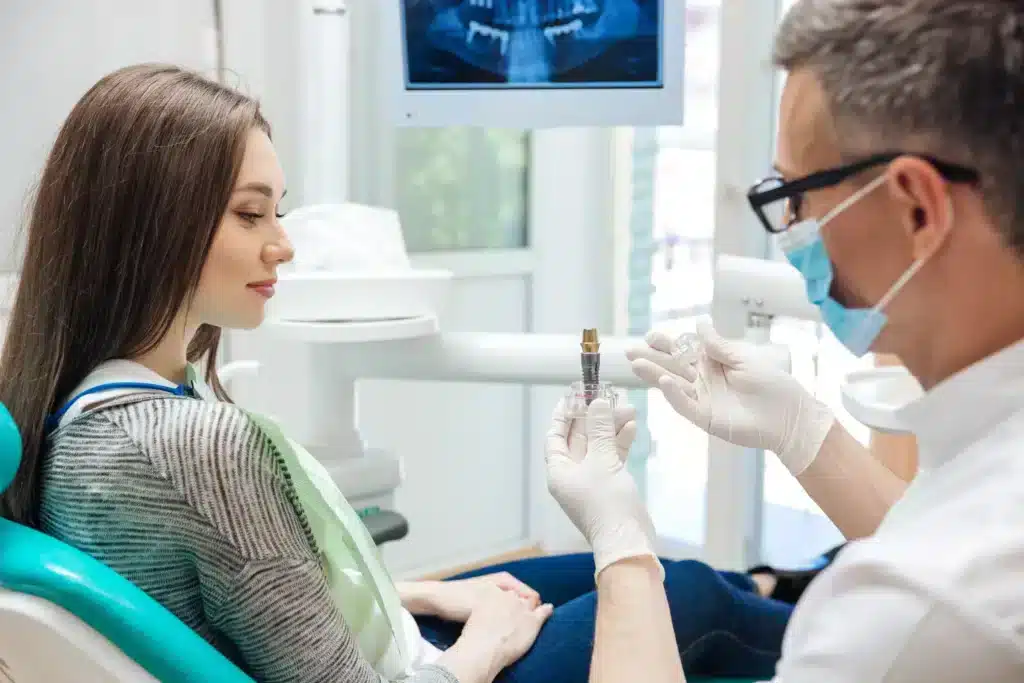
In modern dentistry, precision and speed are paramount. Patients today expect not only high-quality treatment but also rapid diagnosis and streamlined care. This demand has driven the evolution of dental practices toward incorporating advanced technology. One of the most transformative advancements is the integration of in-house laboratories combined with panoramic and CT scan imaging. These tools provide unprecedented diagnostic capabilities, reduce treatment times, and significantly improve the patient experience.
This article explores how advanced in-house labs and imaging technologies are changing the landscape of dental care, enhancing diagnostic accuracy, boosting patient confidence, and elevating clinical outcomes.
The Role of an Advanced In-House Dental Laboratory
What Is an In-House Dental Lab?
An in-house dental lab is a facility located within a dental clinic that allows dentists to fabricate prosthetics, crowns, bridges, dentures, and other dental appliances on-site. This setup contrasts with the traditional model, where dental impressions are sent to external labs, often resulting in delays and communication gaps.
Benefits of an In-house dental lab
Faster Turnaround Time
One of the most significant advantages of in-house labs is the speed of service. Dentists can fabricate restorations within hours or a day, reducing the number of patient visits.
Improved Quality Control
Having a lab on-site allows dentists to supervise every stage of the creation process, leading to higher accuracy and consistency in dental restorations.
Customization and Immediate Adjustments
In-house labs enable real-time collaboration between technicians and dentists, which means that custom adjustments can be made on the spot to meet patient expectations.
Enhanced Patient Satisfaction
Patients appreciate shorter waiting times and fewer appointments. The ability to receive same-day crowns or repairs improves overall satisfaction and boosts trust in the practice.
Panoramic X-Rays in Dentistry
What Is a Panoramic X-Ray?
A panoramic X-ray captures a two-dimensional image of the entire mouth, including all teeth, jaws, and surrounding structures in one scan. It is a vital tool in diagnosing complex dental conditions.
Clinical Uses of Panoramic Imaging
Orthodontics and Surgical Planning
Orthodontists use panoramic X-rays to assess tooth alignment, jaw growth, and the development of permanent teeth. They are also essential in planning surgeries such as wisdom tooth extractions and jaw reconstructions.
Implant Planning
Before placing implants, panoramic X-rays help dentists evaluate bone density and determine the optimal implant location.
Detection of Pathologies
Panoramic X-rays are effective in identifying cysts, tumors, impacted teeth, and bone abnormalities that may not be visible in standard intraoral X-rays.
Advantages of Panoramic Imaging
- Wide Coverage: Captures a full view of the dental arches in one image.
- Non-Invasive: Quick and painless for patients.
- Lower Radiation: Uses less radiation compared to full-mouth intraoral X-rays.
Understanding Dental CT Scans (CBCT)
What Is a Cone Beam CT (CBCT) Scan?
A CBCT scan (Cone Beam Computed Tomography) is a specialized type of X-ray that provides 3D images of dental structures, soft tissues, nerves, and bone in the craniofacial region. It offers unmatched detail and clarity compared to traditional imaging.
Why CBCT Scans Are a Game-Changer
Precision in Diagnosis and Treatment
CBCT scans allow dentists to visualize every angle of the patient’s anatomy. This is crucial for precision in treatments such as implant placement, endodontics, and oral surgery.
Less Guesswork, More Confidence
With a 3D view, clinicians no longer have to rely on assumptions. The imaging provides a complete understanding of a patient’s condition, reducing complications and improving outcomes.
Key Applications of Dental CT Scans
Implant Dentistry
CBCT scans measure bone height, width, and density with millimeter precision. This data helps in planning the exact position, angle, and size of dental implants.
TMJ Analysis
For patients with temporomandibular joint disorders (TMD), CBCT imaging provides detailed views of the joint structure and aids in effective diagnosis and treatment planning.
Endodontics and Root Canal Therapy
Complex root canal systems, missed canals, and periapical lesions are easier to identify and treat with CBCT.
Integration of Imaging and In-House Lab: A Winning Combination
Real-Time Diagnosis and Restoration
The true power of combining CBCT and panoramic imaging with an in-house lab lies in the speed of response. Imagine this scenario:
- A patient walks in with a broken crown.
- Within minutes, a panoramic scan is performed.
- A CBCT scan confirms bone integrity.
- The dentist designs a new crown using CAD/CAM technology.
- The in-house lab fabricates the crown on the same day.
This workflow is only possible with fully integrated systems.
CAD/CAM Technology: The Bridge Between Imaging and Lab Work
Computer-Aided Design and Manufacturing (CAD/CAM) systems allow dentists to design restorations digitally based on imaging data and produce them immediately using milling machines or 3D printers in the lab.
Improving Treatment Planning and Patient Communication
3D Visualization for Better Patient Education
Visuals from CT scans help explain complex issues to patients in a way that is easy to understand. Showing them a 3D image of a cracked root or bone loss increases case acceptance.
Personalized Care
Using in-house labs and advanced imaging means every restoration or treatment is tailored specifically to the patient’s anatomy, resulting in superior comfort, fit, and functionality.
Cost-Efficiency and Long-Term Benefits
Reducing Third-Party Costs
Outsourcing lab work and imaging can increase operational costs. By internalizing these services, clinics save money in the long term while also offering competitive pricing to patients.
Long-Term Health Outcomes
The precision of CBCT imaging and high-quality restorations from in-house labs contribute to long-lasting dental work and fewer complications, ultimately reducing the need for retreatments.
Who Benefits Most from These Services?
Complex Treatment Cases
Patients requiring:
- Full-mouth reconstructions
- Dental implants
- Bone grafts
- Orthodontic planning
Emergency and Same-Day Dentistry
Individuals with urgent dental needs benefit greatly from:
- Immediate scans
- Same-day crowns or bridges
- On-the-spot repairs
How to Choose a Dental Clinic Offering Advanced Imaging and In-House Lab
Questions to Ask
- Do you offer same-day restorations?
- Is your imaging technology digital and 3D-enabled?
- Can I view my scans during the consultation?
- How quickly can prosthetics be made?
- Do you offer guided implant surgery using CT scans?
Choosing a clinic with in-house imaging and lab capabilities ensures streamlined care, accurate diagnoses, and faster recovery.
Conclusion: The Future of Patient-Centered Dentistry Is Here
Advanced in-house laboratories and panoramic/CT scan imaging are not just technologies—they are a revolution in dental care. Clinics that invest in these systems offer patients unparalleled precision, efficiency, and satisfaction. From same-day crowns to 3D-guided implant placement, this integration elevates the standard of care and sets a new benchmark for modern dentistry.
For patients, it means fewer visits, faster treatment, and greater peace of mind. For dental professionals, it means better outcomes and higher patient retention.
If you’re considering dental treatment, choose a clinic that embraces innovation—your smile deserves nothing less.


